The key to anti-corrosion and anti-wear of desulfurization equipment is wear and corrosion, which is common in daily operation but not discovered. After two years of replacement, a large number of products need to be replaced in order to prevent micro pollution. The use of resin deposition requires multiple inspections and technological innovations. Energy saving and consumption reduction are often reflected in the resin deposition of silicone gel. Disruptive technological innovations will solve the following problems for you: 1. What to do about corrosion and wear of slurry circulation pumps? 2. What to do about corrosion and wear inside absorption towers? 3. What to do about wear of the lining of desulfurization system pipelines? 4. What to do if the desulfurization nozzle is damaged? 5. What to do if the flue denitration equipment is corroded at high temperatures? 6. What to do if the gypsum pump ash pump is damaged
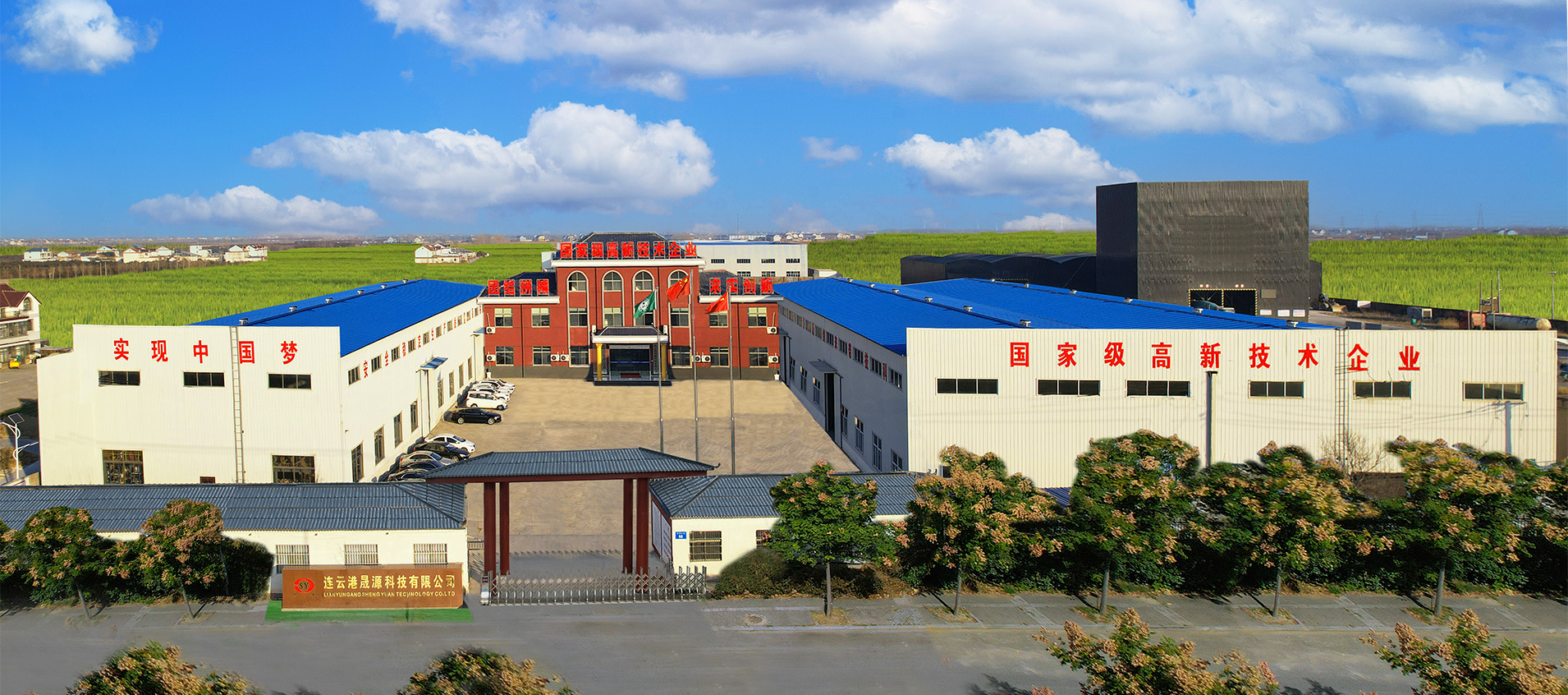
Lianyungang Shengyuan Technology Co., Ltd. is a high-tech enterprise that has successfully developed a water-cooled wall alloy anti-wear robot device, specialized materials, and droplet deposition process method with independent intellectual property rights for solving the wear of circulating fluidized bed boilers and on-site construction through years of independent research and development and process testing. It has obtained more than ten invention and utility model patents. Introduction to fully automatic alloy deposition and anti-wear technology process: 1. Deposition technology is a deposition process that uses a deposition heat source to deposit materials with certain properties on the surface of a substrate (workpiece), forming a metallurgical bond. Using the method of deposition to obtain a deposited metal layer with special properties such as wear resistance, heat resistance, and corrosion resistance on the surface of the welded component. The fully automatic alloy deposition system adopts both distributed converter deposition system and powder core alloy fuse deposition
Due to the significant impact of the flow velocity of the sticking flow on the wear of water-cooled wall tubes, and when the material properties and concentration cannot be changed, reducing the sticking flow velocity will greatly reduce the wear rate of the water-cooled wall. To this end, wear-resistant beam technology has been introduced, as shown in Figure 3. During the descent of the wall sticking flow, it encounters a blocking beam, causing the flow velocity to decrease. In this process, some particles change the flow direction, resulting in a reduction in the number of particles in the wall sticking flow and further reducing wear. However, traditional wear-resistant beams cannot solve the problem of "inverted eight character" wear at the root of wear-resistant beams while reducing the wear rate of water-cooled walls on a large scale. The main reason is that the downward and upward materials attached to the wall form a "vortex" above the wear-resistant beam; After the downward material adheres to the wall and touches the wear-resistant beam, some of the material bounces back onto the heating surface.
Cover the water-cooled wall around the combustion chamber with refractory materials to increase the temperature in the combustion area. Almost all combustion chambers in domestic thermal power plants use ordinary plastic materials, commonly known as castables. Although this type of castable is cheaper in price, it is prone to detachment, foaming, bursting, and has a poor heat transfer coefficient. If using blue mud technology for construction, it has thin walls, strong adhesion, no foaming, no bursting, and can extend the service life of two major maintenance periods, and the thermal conductivity is also very good.
The new technology of Bayer energy-saving warp and weft wear-resistant water-cooled wall is to install warp and weft plates vertically and horizontally in layers on the four walls of the furnace, effectively guiding the wall attached flow carrying materials to wash the water-cooled wall up, down, left, and right. This achieves the goal of changing the flow direction of the material flow, reducing the flow velocity of the material flow, isolating the adjustment and collision between the material flow and the water-cooled wall, greatly reducing the cutting wear of material particles on the water-cooled wall, and fundamentally solving the problem of water-cooled wall tube wear. The new technology of warp and weft type water wall anti-wear has been adopted by multiple boilers. Operational practice has proven that the installation of warp and weft type anti-wear on the water wall significantly reduces wear, and the annual wear of the water wall tube does not exceed 0.1mm during continuous operation. Especially in the transition zone of the casting material, no other anti-wear measures are used, and there is no need to worry about shutdown due to water wall wear and leakage
Thermal spraying principle: Thermal spraying uses various heat sources to heat and melt or semi melt inorganic coating materials; Then use high-speed gas to disperse and refine the inorganic coating material, and collide it with the substrate surface at high speed; The process of forming inorganic coatings. The scientific construction plan provides technical assurance for the quality and schedule of this project, ensuring the construction period. B's advanced construction organization and management provide management assurance for timely completion. The practical and feasible project schedule provides a plan guarantee for timely completion. According to the project situation, advanced and sufficient construction equipment, spare parts, and materials are allocated, and a complete logistics guarantee system is established to provide material assurance for the quality and quantity of the project to be completed on schedule. Experienced construction personnel, including technical experts, project managers, and operators of various trades, are